By Ibrahim Muhammad
The Women Advocates Research and Documentation Centre (WARDC) has called on the Federal Government to enact a National Menstrual Health Policy and Law to tackle period poverty and promote the dignity and wellbeing of girls across Nigeria.
The call was made in a statement issued on Friday by the Founding Director of WARDC, Dr. Abiola Akiyode-Afolabi, to mark the 2025 International Day of the Girl Child. The organization joined millions around the world in celebrating the power, resilience, and leadership of girls under the national theme: “The Girl I Am, The Change I Lead: Girls on the Front Lines of Crisis.”
Dr. Akiyode-Afolabi emphasized the urgent need to address menstrual hygiene challenges that continue to affect millions of schoolgirls, particularly in rural areas where access to sanitary products and water facilities remains limited.
“Every girl deserves to grow up with dignity, free from discrimination and stigma, especially around menstruation and sexual violence,” she said.
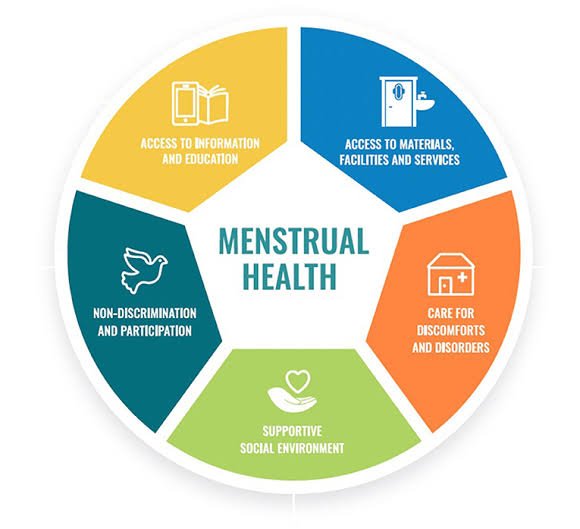
WARDC noted that despite notable progress in education and health, many Nigerian girls still experience “period poverty” — the lack of access to sanitary products, hygiene facilities, and menstrual education. Reports show that 1 in 10 African girls miss school during their periods, while up to 25% of Nigerian schoolgirls lack access to safe menstrual hygiene products.
The statement linked period poverty to frequent absenteeism, psychological trauma, early school dropouts, and even child marriage, describing it as a major barrier to gender equality and educational attainment.
WARDC also commended the Bauchi State Government for establishing a Menstrual Bank, a first-of-its-kind initiative that provides free sanitary products to girls in schools and underserved communities. The organization urged other states to adopt similar interventions to support girls’ education and empowerment.
“This bold step reflects a deep understanding of the intersection between menstrual health and girls’ education,” the group said. “We call on other state governments to replicate and expand this model to reach girls in every corner of the country.”
As part of its advocacy, WARDC made five key demands: including, Passage of a National Menstrual Health Policy and Law, Strengthened school protocols to prevent and report sexual violence, Increased budget allocation for girls’ health and hygiene programs, Community sensitization and male engagement and Enhanced data collection and research
The organization reaffirmed its commitment to advancing girls’ rights through legal advocacy, research, policy influence, and community engagement.
Dr. Akiyode-Afolabi concluded by emphasizing that empowering girls is key to building a just and thriving society.
“Girls are not just vulnerable victims of crisis they are leaders, innovators, and change-makers,” she stated. “To truly lead, they must be equipped with the basic tools of dignity: education, safety, and health.”