
By Ibrahim Muhammad
The Jigawa Agricultural Transformation Agency (JATA), in partnership with the International Institute of Tropical Agriculture (IITA), has launched maize demonstration and seed multiplication plots across 10 Local Government Areas of Jigawa State to boost food security, improve nutrition, and strengthen farmers’ resilience to climate change.
The initiative, unveiled under the 2026 Wet Season agricultural programme, is aimed at accelerating agricultural transformation through the introduction of improved maize varieties and the promotion of modern farming techniques among farmers.
Speaking at the launch, the Director of Delivery at JATA, Dr. Imam Isah Musa, who represented the Director General of the agency, Dr. Saifullahi Umar, said the programme was designed to provide farmers with direct access to improved maize technologies capable of increasing productivity and enhancing agricultural sustainability.
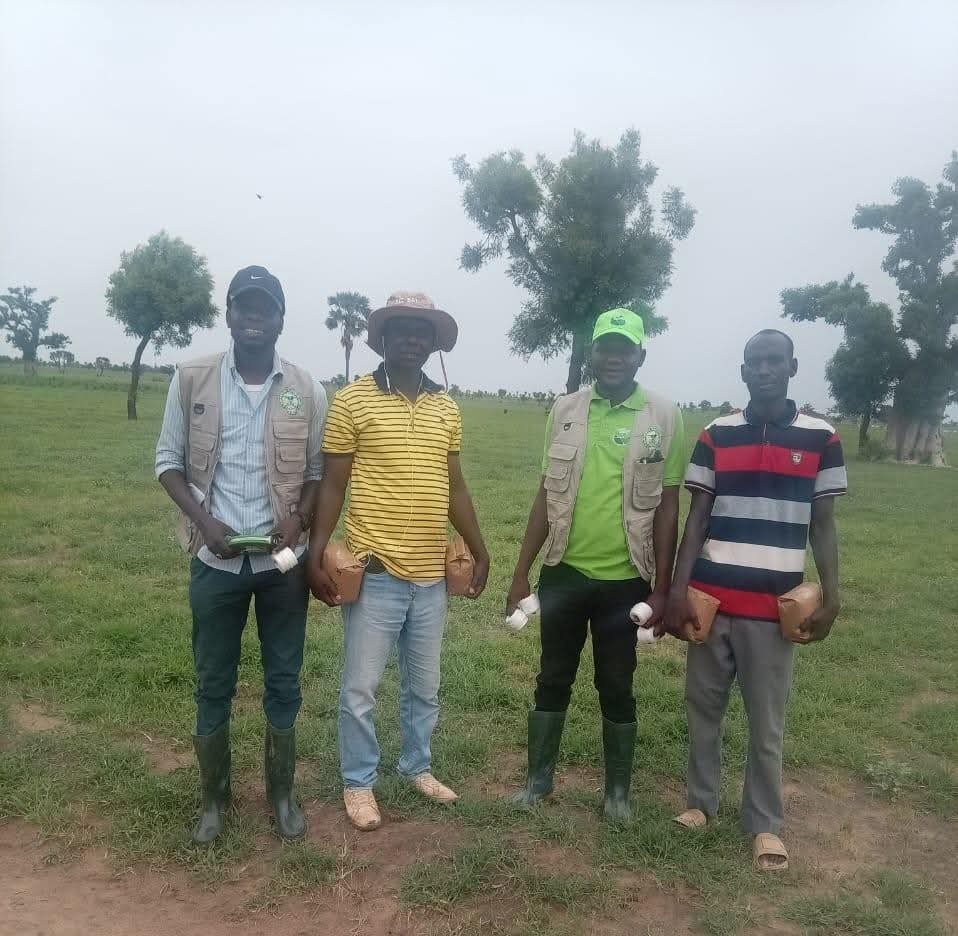
According to him, the project is being implemented in Guri, Miga, Taura, Roni, Gwaram, Yankwashi, Malam Madori, Kazaure, Gwiwa, and Kaugama Local Government Areas, ensuring that farmers across different agricultural zones of the state benefit from the intervention.
Dr. Imam said the programme involves the demonstration and multiplication of 10 improved maize varieties selected for their high yield potential, nutritional value, and adaptability to changing climatic conditions.
He listed the varieties as Ife Maizehyb-6, Sammaz 54, Sammaz 55, WAC55E, ILOMAZ 1, FAW SYN 1, Sammaz 15, Sammaz 51, Sammaz 52, and TZL COMP.1-WC6/DT SYN-1-W.
He explained that several of the varieties are drought-tolerant and resistant to Fall Armyworm, making them suitable for addressing the challenges posed by erratic rainfall, rising temperatures, and pest infestations associated with climate change.
The JATA official said the initiative would also support efforts to improve nutrition by promoting maize varieties with enhanced nutritional qualities, which could contribute to reducing malnutrition and improving the health of rural communities.
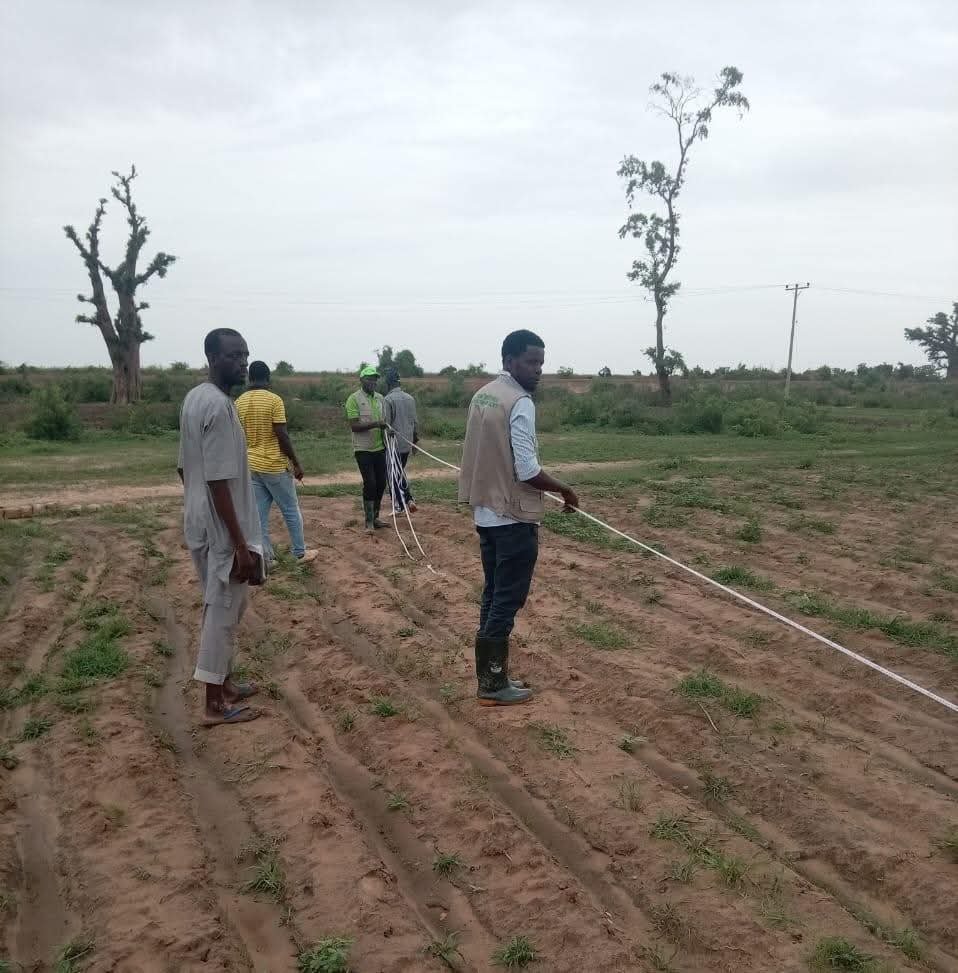
He added that the seed multiplication component of the programme would provide certified and breeder seeds for large-scale multiplication, creating opportunities for farmers to increase productivity and transition from subsistence farming to commercial agriculture.
According to him, the seed multiplication plots are expected to produce up to eight metric tonnes of maize per hectare, thereby increasing household incomes, creating employment opportunities, and stimulating growth across the agricultural value chain, including seed production, processing, marketing, and transportation.
Dr. Imam reaffirmed JATA’s commitment to strengthening collaboration with IITA and other development partners to promote climate-smart agricultural technologies that will improve food security, enhance livelihoods, and drive sustainable agricultural development across Jigawa State.