
By Ibrahim Muhammad
The Centre for Information Technology and Development (CITAD) has called on governments at all levels to make public websites and digital services accessible to persons with disabilities, warning that their continued exclusion from online platforms undermines digital inclusion and equal access to public services.
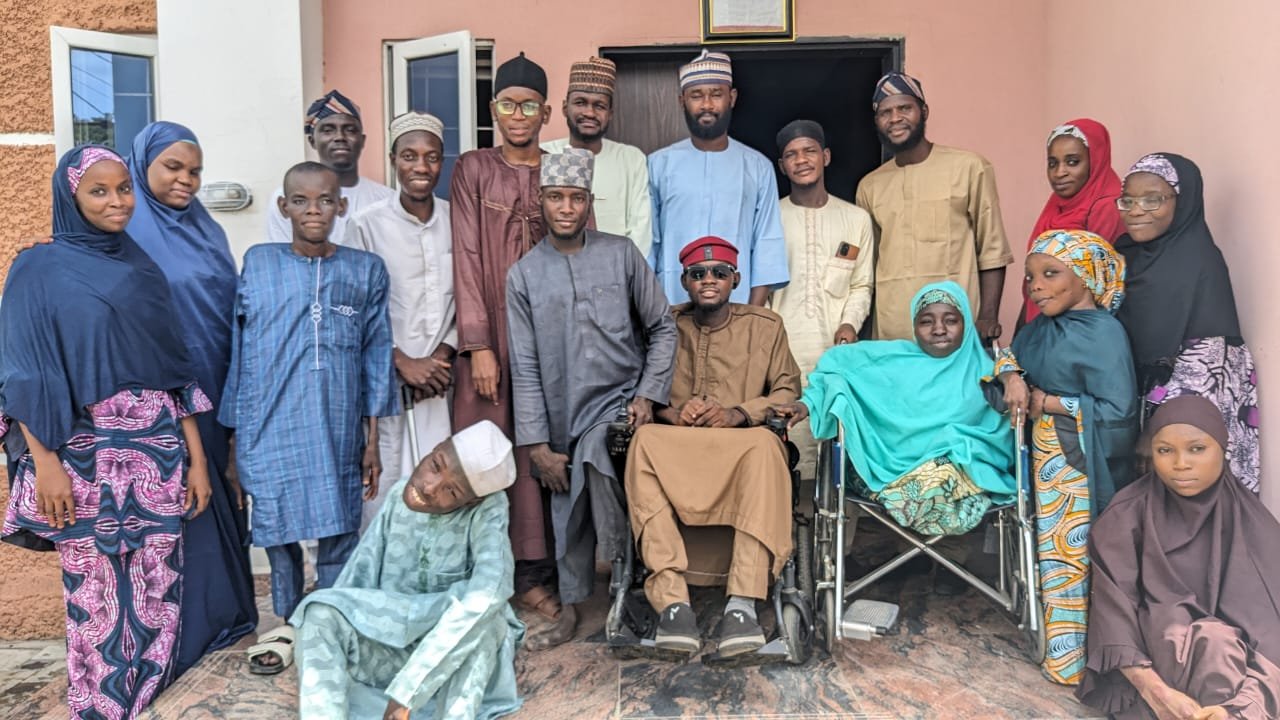
The call followed a three-day capacity-building programme for persons with disabilities in Kano on digital rights, data protection, online safety and cybersecurity. The training, which ended on Saturday, was organised under CITAD’s Campaign for Improved Accessibility of Government Websites and Portals (CIAGOP) with support from the Association for Progressive Communications.
The programme brought together participants from six disability groups in three batches, including persons with albinism, hearing impairment, dwarfism, spinal cord injury and visual impairment.
Speaking at the opening ceremony, CITAD Executive Director, Yunusa Zakari Ya’u, represented by Ali Sabo, said persons with disabilities should not be left behind as Nigeria’s digital landscape continues to expand.
He said the training was aimed at equipping participants with the skills to protect themselves online, understand their digital rights and use digital platforms safely and confidently.
“Digital inclusion must go beyond providing access to technology. It must also ensure that people can use digital platforms safely, securely and without discrimination,” Sabo said.
Also speaking, CITAD’s Coordinator for Persons with Disabilities, Hamza Aminu Fagge, said the CIAGOP initiative was launched to identify and address barriers preventing persons with disabilities from accessing government websites and online services.
According to him, the campaign will assess accessibility gaps in government digital platforms and engage relevant stakeholders to ensure compliance with internationally recognised accessibility standards.
“Accessibility is not a favour to persons with disabilities; it is a right. Government digital platforms must be designed to enable every citizen, regardless of disability, to access essential services independently and with dignity,” Fagge said.
He warned that inaccessible government websites would widen the digital divide by denying persons with disabilities equal access to critical public services, stressing that the campaign seeks to promote inclusive digital governance across Nigeria.
The training featured sessions on data protection and privacy, emerging technologies, internet safety and security, as well as cyberbullying and online harassment.
Ali Sabo facilitated the session on data protection and privacy, while Yusuf Babagana spoke on emerging technologies. Suhail Sani trained participants on internet safety and security, focusing on protecting devices, accounts and personal information from online threats. Amina Khalid concluded the programme with a session on cyberbullying and harassment, highlighting its impact on persons with disabilities and strategies for staying safe online.
As part of the campaign, CITAD is advocating improved accessibility of key government digital platforms, including those of the Joint Admissions and Matriculation Board (JAMB), National Identity Management Commission (NIMC), National Examinations Council (NECO), West African Examinations Council (WAEC), Independent National Electoral Commission (INEC) and the National Information Technology Development Agency (NITDA).
The organisation said the initiative forms part of its broader efforts to promote digital rights, online safety and the full inclusion of persons with disabilities in Nigeria’s digital governance.