By Ibrahim Muhammad
The United Nations Children’s Fund (UNICEF) has raised serious concerns over the poor state of Water, Sanitation and Hygiene (WASH) services in primary healthcare facilities and schools in Nigeria.
Chief of UNICEF Field Office Kano, Mr. Rahama Rihood Mohammed disclosed this in his address during a stakeholders Dialogue on WASH services held in Kano.
He said, findings from the 2021 WASHNORM II survey, Nigeria’s most comprehensive national assessment of WASH services shows that only 11% of schools nationwide have access to basic water supply.
He warned that, the situation poses grave risks to children’s health, education and dignity.
According to the survey, only 11 per cent of schools nationwide have access to basic water supply, sanitation and hygiene services, while a disturbing six per cent of health facilities meet the same minimum standards.
The situation, Mr. Farah noted, is even more severe in rural areas of Northwest Nigeria.
Mr. Farah stressed that schools and healthcare facilities, which serve large numbers of people daily, can quickly become centres for disease transmission if adequate WASH services are not provided.
“Clean water, toilets and handwashing stations in schools and health centres are not optional. They are lifelines for children’s health, learning and dignity,” he said, adding that inadequate WASH facilities contribute to school absenteeism, especially among girls, and undermine Nigeria’s commitments to the Sustainable Development Goals on education and universal access to water and sanitation.
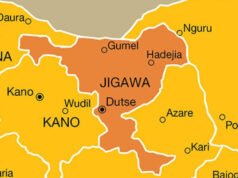
He highlighted UNICEF’s ongoing efforts, in collaboration with government and development partners, to address the gaps. Through the UK Government-funded Climate Resilient for Basic Infrastructure (CRIBS) Programme, UNICEF supported the inauguration of 84 climate-resilient health and education facilities in Kano and Jigawa states in 2025, with an investment of £19 million.
However, Mr. Farah cautioned that providing facilities alone is not enough, stressing the need for sustained maintenance and community ownership to prevent the rapid deterioration of WASH infrastructure.
He called on the media to play a more active role in advocating improved WASH services by spotlighting gaps revealed by WASHNORM data, tracking government budgetary allocations, and holding duty bearers accountable for their commitments.
He urged all stakeholders to intensify advocacy and investment, noting that Nigeria’s children deserve safe, healthy environments in which to learn and grow.