
By Ibrahim Muhammad
The Centre for Information Technology and Development (CITAD) has intensified advocacy for an inclusive and climate-sensitive digital transformation in Nigeria, following the conclusion of a two-day workshop aimed at embedding gender and environmental perspectives into the country’s digital policy framework.
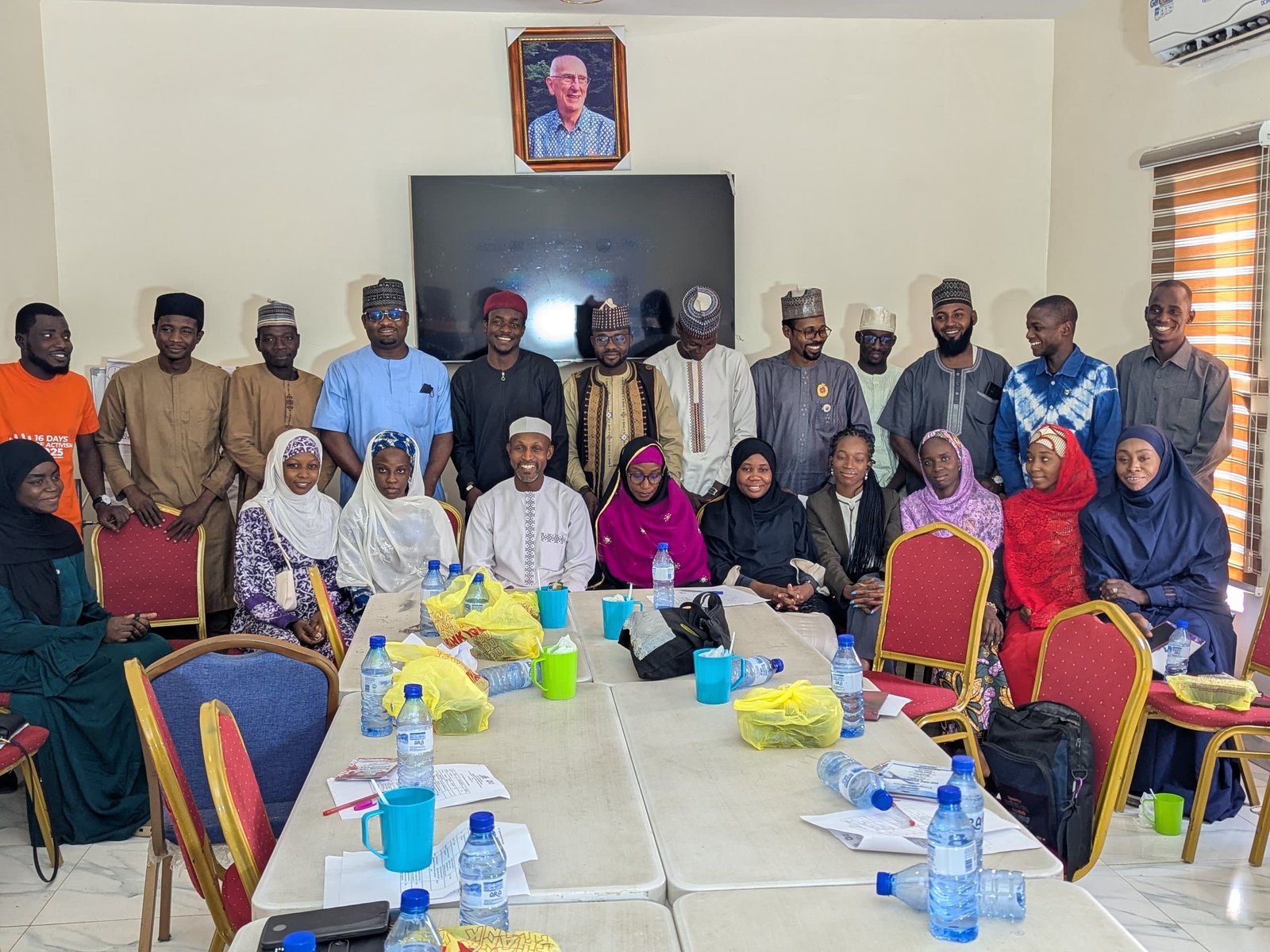
The workshop, titled “Engendering and Greening Digital Policies,” was held in Kano from December 8 to 9 with support from the Association for Progressive Communications (APC). It brought together civil society organisations, digital rights advocates, gender activists and environmental justice campaigners.
Declaring the workshop open, Hamza Ibrahim, who represented CITAD’s Executive Director, Malam Y.Z. Ya’u, said strengthening gender and environmental considerations in digital policy has become essential as Nigeria accelerates its digital transformation.
He warned that without deliberate safeguards, emerging digital policies could reinforce social inequalities and worsen environmental harm.
“Our digital future must be inclusive and environmentally responsible,” he said. “This training is part of our commitment to ensuring that gender justice and climate concerns are not treated as afterthoughts in policy-making.”
CITAD’s Project Officer, Fatima Babakura, explained that the training was designed to build participants’ capacity in two major areas—greening digital policies and engendering advocacy.
According to her, the “greening” component focused on promoting eco-friendly approaches to technology deployment, while the “engendering” section provided tools to integrate feminist and climate justice perspectives into digital governance.
“This workshop is equipping participants with practical tools to analyse, influence and reshape digital policies so they can become more inclusive and sustainable,” Babakura said.
Participants engaged in expert-led sessions, group discussions and hands-on exercises that examined Nigeria’s digital transformation agenda, the gender digital divide, the environmental footprint of digital infrastructure, and effective advocacy strategies.
One of the facilitators, Saleh Umar Anka, Director of Climate Change at the Kano State Ministry of Environment and Climate Change, stressed the need to align digital innovations with environmental protection goals.
“Technology has a significant environmental footprint, and policy actors must begin to factor climate impacts into digital planning and implementation,” he said. “A climate-sensitive digital agenda is essential for sustainable development.”
The initiative is part of CITAD’s broader campaign, “Greening and Feminist Centering of the National Digital Transformation Agenda,” which seeks to promote equitable, just and ecologically responsible technological advancement in Nigeria.